
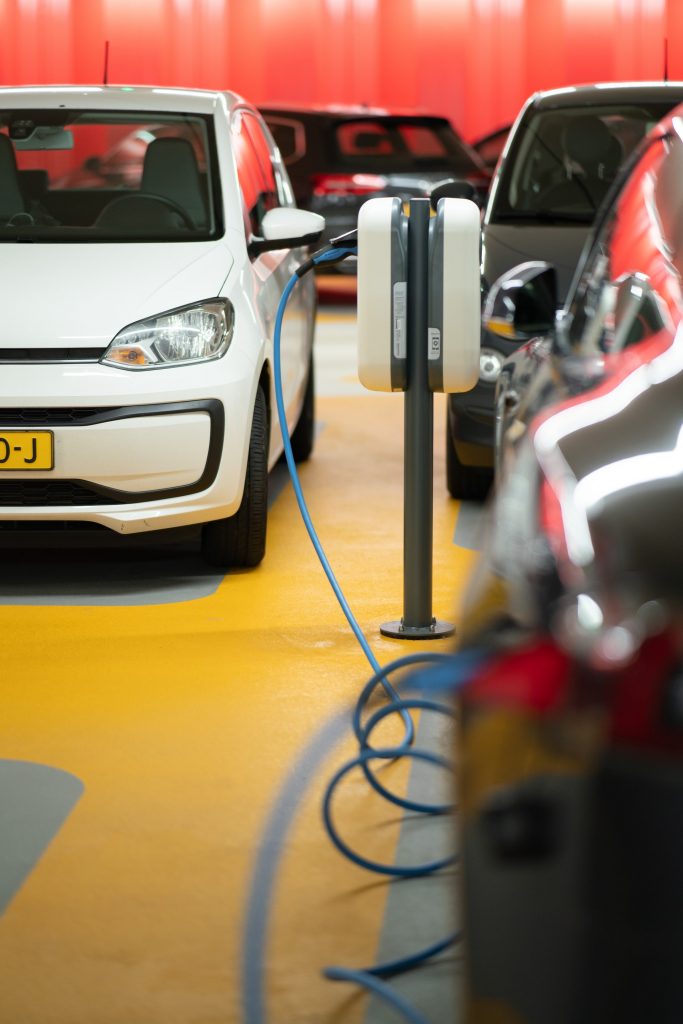
It wasn’t long ago that the idea of a fully electric vehicle seemed like something out of science-fiction. Now, there’s not a single major auto manufacturer who doesn’t have at least one electric vehicle model available for purchase or in production.
But with so many options, how do you know whether to go with a hybrid vs electric cars that run entirely on batteries? In this guide, we’ll explore everything you need to know about hybrids vs electric cars, including:
- The difference between hybrid and electric
- How a hybrid car works
- How an electric car works
- Pros and cons of hybrids and electric cars
- What to consider when choosing whether to purchase a hybrid vs electric car
We hope that this guide will help demystify some of the confusion surrounding the relatively new technology associated with hybrids and electric cars. After all, these vehicles are certainly the future of driving, and at Freedom National we want to help prepare you for everything while saving money on fuel, maintenance, and insurance costs. Here’s everything you need to know about hybrid vs electric vehicles.
The Difference Between Hybrid Cars and Electric Cars
The basic difference between hybrid vs electric is the way they’re powered. Hybrid vehicles use a combination of a standard internal combustion engine and a battery for power, while electric cars only use a battery. That’s the simplest way of assessing the difference between hybrid vehicles and electric cars, but in practice it adds up to a whole world of differences that can influence your decision to buy a hybrid vs electric vehicle.
How a Hybrid Car Works
True to their name, hybrid vehicles use a combination of gas-powered engine and electric motor to power them. In the case of standard hybrids, the vehicle can sometimes run entirely off the power from its electric motor. In the case of ‘mild’ hybrids, the electric motor is simply used to supplement power from the traditional motor, and the vehicle can’t run entirely off the electric motor in any case.
In hybrid vehicles, the electric motor is recharged by the vehicle’s motion itself. In most hybrids, a method known as regenerative braking is used to charge the electric high-voltage battery. The energy generated by braking is turned into power for the battery.
Because hybrids supplement gas power with the electric battery, they all offer significant better fuel economy than gas-only vehicles when it comes to driving with a lot of stops and starts at low speeds. When it comes to highway driving, the advantages are generally reduced to nearly zero.
Standard hybrids also generally can’t be plugged in and charged, and can’t operate on the battery’s power alone unless only for a very short distance.
Plug-In Hybrids
There is a class of hybrids that features larger batteries and can be plugged in, fittingly known as plug-in hybrids. These vehicles can be plugged into either a standard 120-volt outlet or a special 240-volt charging station. These can usually be charged in 2-5 hours, and allow these special plug-in hybrids to go longer and farther on electric-only power.
Generally, these plug-in hybrids come with a higher price tag than their standard or mild hybrid counterparts.
How an Electric Car Works
If you’re wondering who wins in the hybrid vs. electric car matchup, you’ll want to learn a bit more about how electric cars work, too.
Unlike hybrid vehicles, electric cars use only a large battery to power the engine— no gasoline whatsoever. The first fully electric vehicle that was mass-produced and highway legal was the Tesla Roadster, which cost $100,000. Since then, the technology associated with electrically powered vehicles has advanced to the point that electric cars cost less and can do more than ever before— in many cases, matching or exceeding gas-powered vehicles in overall performance.
Electric cars work through induction. A lithium ion battery turns a crank as you drive, which then turns gears that are connected to the rods which turn your vehicle’s wheels. There are no pistons, no cylinders, and no internal combustion in fully electric vehicles. And whereas traditional internal combustion engines have hundreds of moving parts, an electric vehicle’s motor has just two. Overall, this makes them four times more energy efficient than gas-powered vehicles.
Pros of Hybrids
The main advantage of purchasing a hybrid in 2021 is price. With a longer history of hybrids than electric cars, which haven’t been around quite as long, you have lots of options for shopping older, used hybrid models that will cost significantly less than a newer electric vehicle.
That said, the price of electric vehicles continues to drop at a faster and faster rate as batteries and other components become less expensive to produce. Plus, subsidies and tax rebates from the federal level down to the local level can help reduce the overall cost of purchasing an electric vehicle over a hybrid.
Cons of Hybrids
Hybrids have plenty of benefits, but they also have disadvantages that should be noted. For one, you shouldn’t expect the battery in your hybrid do go far on its own power. The max that the average hybrid battery can push your vehicle without help tends to be around 25 miles— and that’s on the higher end.
Meanwhile, the standard internal combustion engine in hybrids means that your maintenance costs can be as high as a traditional vehicle, and the combination of an ICE and battery-powered motor means more components and more complicated maintenance.
Meanwhile, less and less manufacturers are putting efforts into manufacturing hybrid cars, with many looking to focus on creating innovative fully-electric vehicles.
Finally, hybrids don’t qualify for quite as many tax incentives and rebates as fully electric vehicles, so you should keep that in mind when shopping for your next ride.
Pros of Electric Cars
Electric vehicles come with a long list of benefits. These include the highest fuel efficiency in a vehicle, minimized impact on the environment, simpler design which allows for decreased maintenance and repair costs, and the dramatic savings that come from not having to purchase gas on a regular basis.
Meanwhile, the range of fully electric vehicles is climbing at an incredible rate. The 2021 Tesla Model S Long Range can top 500 miles on battery power alone. That means you could drive from Cleveland to New York City on a single charge.
Cons of Electric Cars
One of the biggest cons associated with electric cars is the time it takes to charge them. Generally, an at-home charger will need several hours to refuel a spent battery. That usually means overnight charging before your vehicle is good-to-go again. It also means that driving your vehicle all day on a road trip and stopping for a quick refuel is often out of the question.
That said, even this is changing rapidly. With the introduction of Level 2 fast chargers, which are quickly becoming more widespread for public use around the nation, your vehicle can be fully charged in far less time than before. That means you could road trip most of the day, stop at a location with a Level 2 or Level 3 charger to have lunch, and be fully charged in a couple of hours for additional driving time.
What to Consider When Choosing Between a Hybrid and an Electric Car
Wondering how to make the call between a hybrid vehicle and a fully electric car? First and foremost, no one can account for your own unique personal preferences. That should be the first consideration when deciding which option to choose. That said, there are some key points to consider when it comes to whether a hybrid or electric car will better suit your needs. Here are some of the most important factors to consider.
Type of Driving
Do you drive more on the highway or in the city? If most of your driving comes on the highway, a hybrid may not offer quite as much of an advantage considering they tend to get around the same highway fuel efficiency as ICE-only vehicles. An electric vehicle, however, vastly outstrips ICE vehicles when it comes to highway mileage.
Distance
The distance you’re looking to drive on a regular basis may also impact your decision whether to go with an EV or hybrid. While more advanced hybrids have incredible ranges on a single charge, these generally come with a much steeper price tag. Meanwhile, even lower-end hybrid vehicles have a range that matches most internal combustion engine-only vehicles, because they can be powered by gas and electric power. If range is a major factor for you, as well as the ability to complete a long road trip without worrying about needing to find charging stations, a hybrid may be right for you.
Fuel Costs
Fuel costs when it comes to an electric vehicle amount to the cost of electricity at your home, if you have a home charger. Hybrids, while offering lower fuel costs than fully ICE-powered engines, will still require you to buy gasoline when the gas tank is empty. That means you can expect higher fuel costs for a hybrid than an electric vehicle.
Electricity Costs
While electricity required to charge your electric vehicle at home will generally be less than the cost of gasoline, exactly how much difference there is will depend on how expensive electricity is in your area. If you live somewhere with relatively high utility costs, the savings of an electric vehicle over a hybrid when it comes to fuel may not be as dramatic as you might hope. This may be enough to push you toward a hybrid rather than an EV if other factors are balanced out.
Cost to Purchase Vehicle
As we mentioned earlier, older hybrid models tend to be much cheaper than brand-new electric vehicles. But this won’t be the case for long. Electric vehicles are becoming more and more affordable, and it’s likely that they will soon be the same price or less than hybrids and even traditional gas-powered vehicles— and that doesn’t even include rebates or tax incentives for buying electric. Keep that in mind when deciding whether to go hybrid or full-electric.
Maintenance Costs
When it comes to maintenance, electric vehicles are a clear winner. Maintenance costs are one of the many advantages electric vehicles hold over hybrid vehicles. Because they have so few moving parts— just two in the average electric motor versus hundreds in a standard combustion engine— you don’t need oil changes, regular tune-ups, spark plug replacements, belt repairs, and other repairs associated with standard combustion engine found in hybrid vehicles.
That said, it doesn’t mean your electric vehicle maintenance costs will be zero. EVs still have tires, A/C, engine coolant, and electric components that can fail or require maintenance and replacement.
On average, the owner of an electric vehicle will spend less than half as much on maintenance over the life of their vehicle compared to an owner of a vehicle with a standard combustion engine. That’s some serious savings.
Which is Better for the Environment, Electric Cars or Hybrids?
It should come as no surprise that while hybrids are better for the environment than internal combustion-only vehicles, fully electric cars are even better for the environment than hybrids. While the electricity needed to power them does come with environmental impact, in general an electric car is 4X better for the environment than an internal combustion engine. Still, purchasing either an electric car or a hybrid will help lower your environmental impact, so both should be considered a positive step.
Conclusion
Once you’ve purchased an electric vehicle or hybrid, it’s time to get it insured. At Freedom National, we offer the best cheap car insurance online by matching you with insurers that are perfectly suited to your unique needs. You can complete our online quote application in just minutes and receive a detailed, custom quote based on your situation. Then you can get insured and get on the road with your vehicle— helping protect the environment (and your budget) along the way.


